
when luxury starts playing games
and why useless objects became its most powerful signal

Contrary to what you might read in various hype, fashion focused titles, Louis Vuitton did not release an £92,000 pinball machine because it suddenly cares about games.
When bags, shoes, watches, and clothes all saturate the same visual and cultural space, status has to migrate somewhere else. And the next place it always goes is play.
A pinball machine is not practical or efficient or portable or even really very contemporary.
Which is exactly why I find it fascinating that it exists. Just like the Hermes plasters. There’s really no need for it but it’s still brilliant.


On a more philosophical level, the pinball machine works because it reframes nostalgia, play, and childhood memory as adult cultural capital. Once it is housed inside a hand-built monogram trunk, function collapses. Scarcity, craft and materials take over.
This is not really at all about playing pinball.
It is about owning a status and signalling object.
Critically, it is not available for general purchase. It exists behind private client relationships and concierge services, accessible only through direct contact and existing status within the brand’s ecosystem.
It’s a bit like a Hermes bag. You can’t just tap a buy button or walk into the store and get one, even if you have the money.
That restriction is not just there to be frustrating. It is there to gatekeep and create exclusivity.
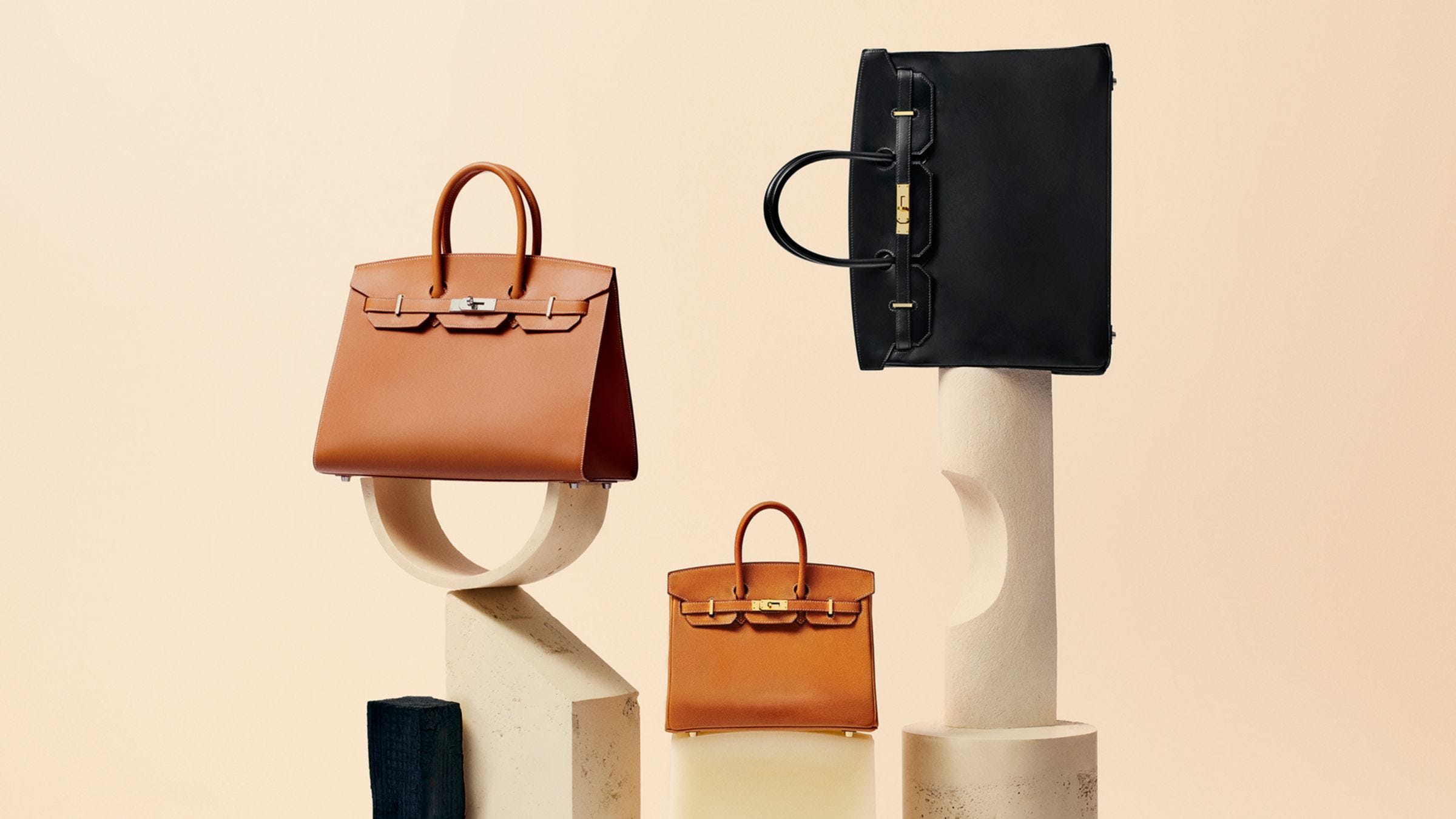
This is where luxury knows about and prioritises relationship building over transactions.
And ok if you actually like playing pinball then you probably still wouldn’t get this over a ‘regular’ non branded pinball machine. The indifference to usefulness is the flex.
Luxury houses are masters of designing objects that don’t really have much use but you still really want them. They really don’t need to exist but it’s so great they do.
They exist to signal, to align, to flex and simply just because they can.
The pinball machine is not even an outlier. It sits inside a growing class of objects that convert mass culture into elite artefact.
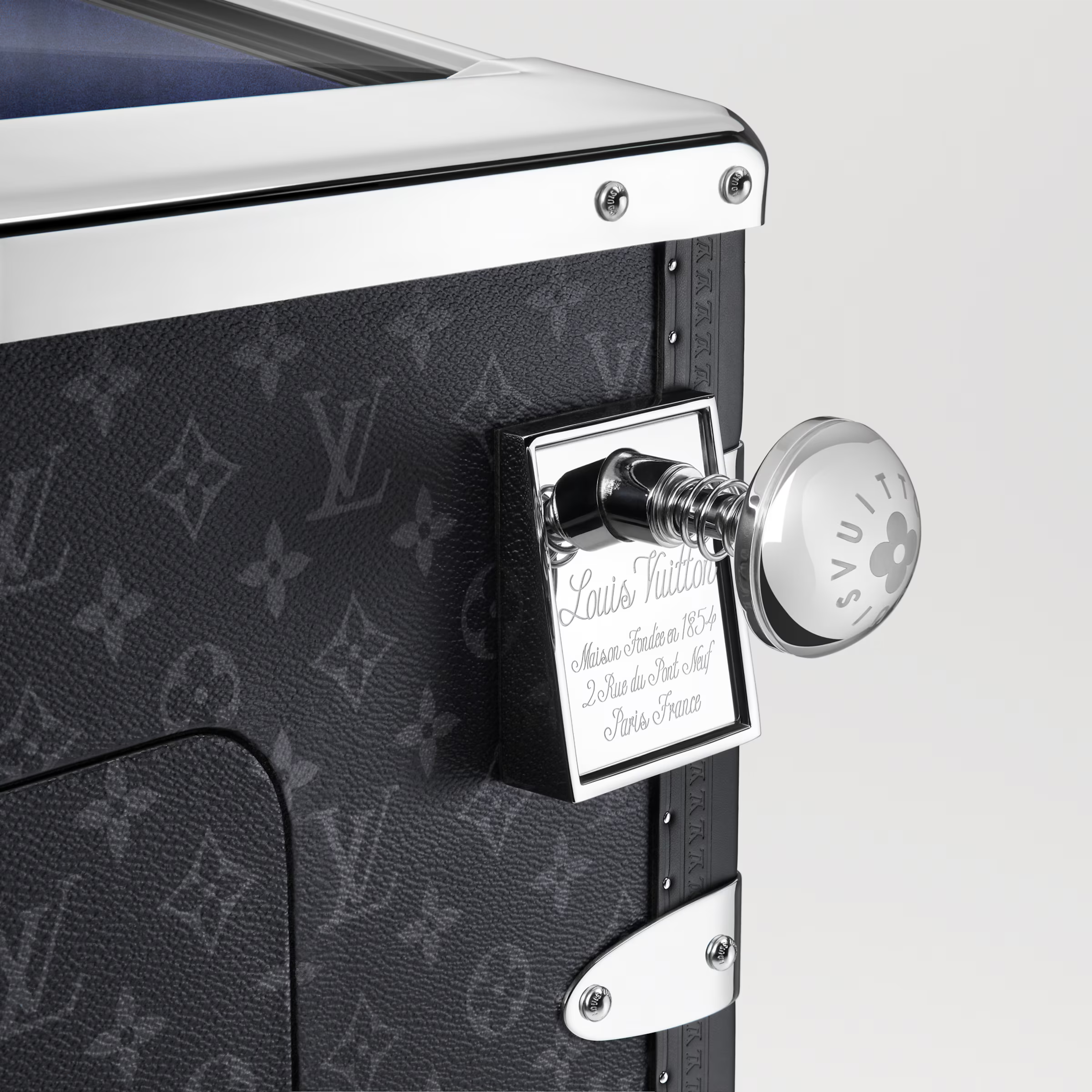
Bottega Veneta’s leather-wrapped Jenga set follows the same logic. Jenga is fairly ordinary, traditional and unserious. Wrapping it in Bottega leather does not improve the game. It just upgrades the signal.
Because you aren’t really buying the blocks. You are buying craft, quality and positioning, for the price.
You are effectively buying distance from the ordinary version of life.
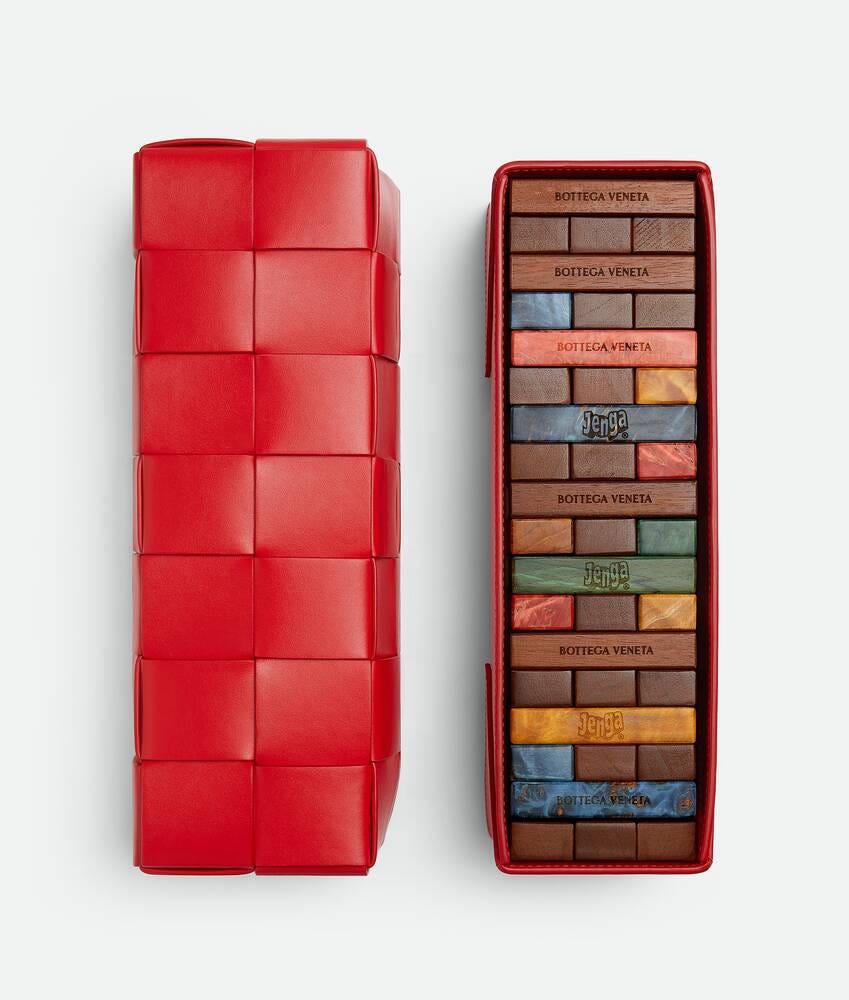
Hermès plasters made from lambskin operate the same way. They can’t even be used as actual plasters. Their value lies in being beautifully unnecessary.
Each one says the same thing.
We do not just sell products. We create desire in the most unusual places.
Luxury once signalled wealth through accumulation. Then it shifted toward taste through restraint. Now it signals confidence through oddity and discretion. You could call this post-logo luxury. Status that circulates more privately, through rooms and relationships rather than feeds.
These objects are slow too. Slow to commission. Slow to produce. Slow to arrive. They reward long-term customers, not impulse buyers. Luxury is not about immediacy. It is about duration and longevity.
If you can afford to buy an object that does nothing useful, costs £92,000, and cannot be publicly acquired, you do not need to explain yourself. Taste replaces justification.


the cultural capital view
The most valuable objects will increasingly be the ones that are never marketed, rarely seen, and difficult to access. Cultural capital doesn’t always need to be seen to be felt Discretion trumps visibility.
In a world obsessed with optimisation, productivity and more more more, the ultimate flex is uselessness done beautifully.
And if you’ve got a spare £92,000 for a completely useless pinball machine then why not, go for it.