
Nike Mind and the rise of post-performance ambition
How calm, control, and stopping became status signals

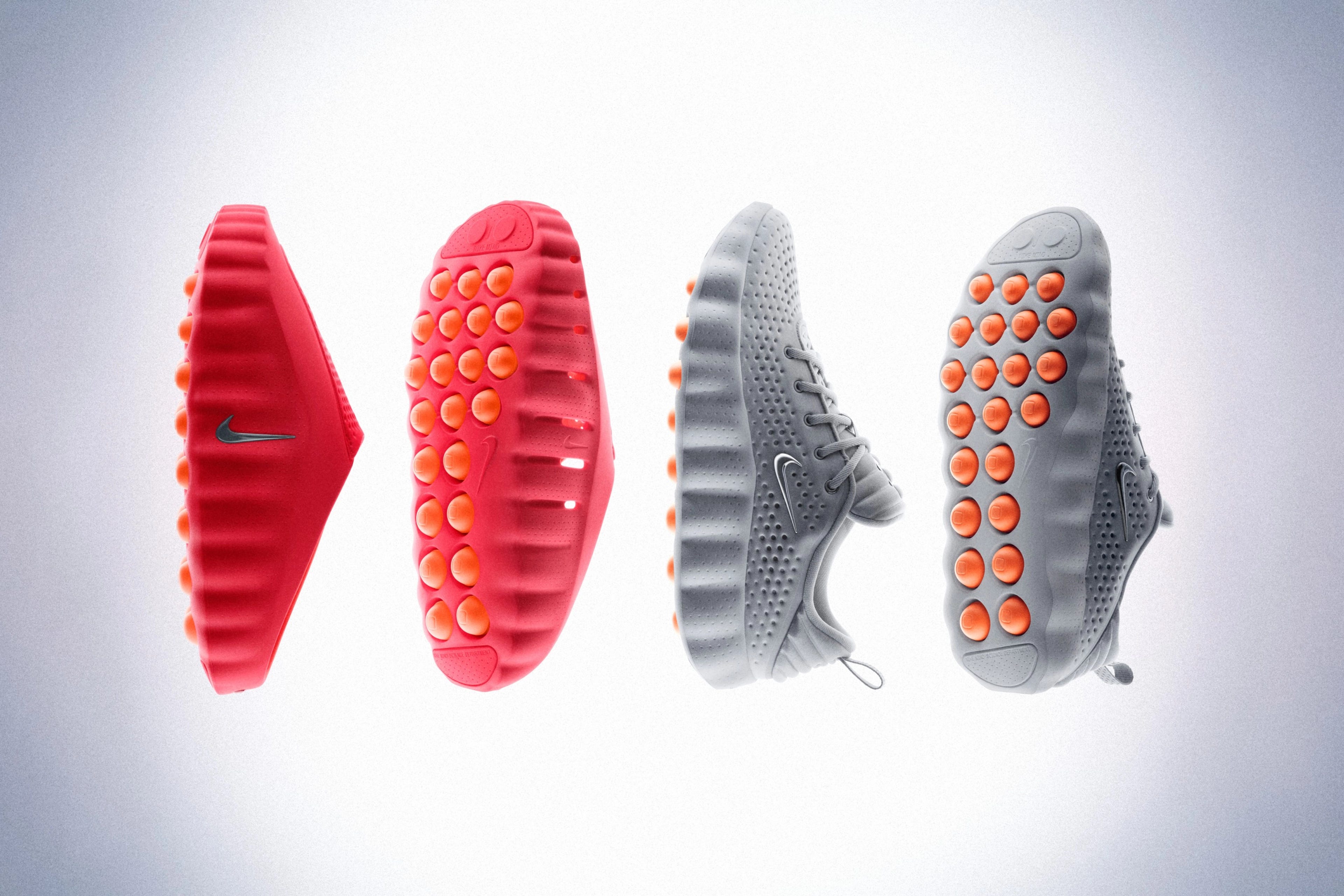
TL;DR Nike Mind is not performance footwear. It is a platform and a cultural signal.
It marks Nike’s shift from output to regulation, from grind to composure.
It’s more like Oura, Hoka recovery slides, and Muji wellness objects. Nike Mind sits in a distinct category beyond performance.
It is not tracking health, fixing fatigue, or simplifying life.
It is making calm visible.
That visibility is cultural capital.
Nike Mind is not just a shoe.
Nike Mind looks like footwear, but culturally it behaves like something else entirely.
It is not built for performance, speed, or even visible activity. It is designed for recovery, calm, and psychological decompression.
Nike built its empire on motion. Nike Mind is about stopping.
Nike Mind I think is multi faceted and best understood not as a wellness shoe, but as a status object for a new phase of ambition. One where control, balance, and internal regulation carry more cultural weight than grind, output, or visible strain.
Nike Mind is Nike entering the post-performance era.
Why recovery is the new grind.
Nike Mind is a soft, minimal, sculptural shoe designed primarily for recovery and mental ease. The materials prioritise comfort over structure. The silhouette avoids aggression. There is no speed language, no technical bravado, no visible athletic promise.
It is not trying to make you better at anything.
It is trying to make you feel better doing nothing.
That’s a radical shift for a brand whose entire mythology is built on effort, sacrifice, and transcendence through exertion.
Nike is not abandoning performance. It is layering a new value system on top of it.
From achievement to regulation.
We’re moving from an era obsessed with optimisation to one obsessed with regulation. Nervous systems. Sleep quality. Breath. Emotional bandwidth. The new flex is not how much you can push. It is how well you can stabilise.
You’re seeing this shift everywhere too.
Wearables that track recovery rather than steps. Supplements marketed for calm instead of energy. Silence framed as luxury. Stillness reframed as success.
Nike Mind slots directly into this trend and new logic.
It is footwear for people who already did the hard part. The ambition phase is over. The preservation phase has begun.
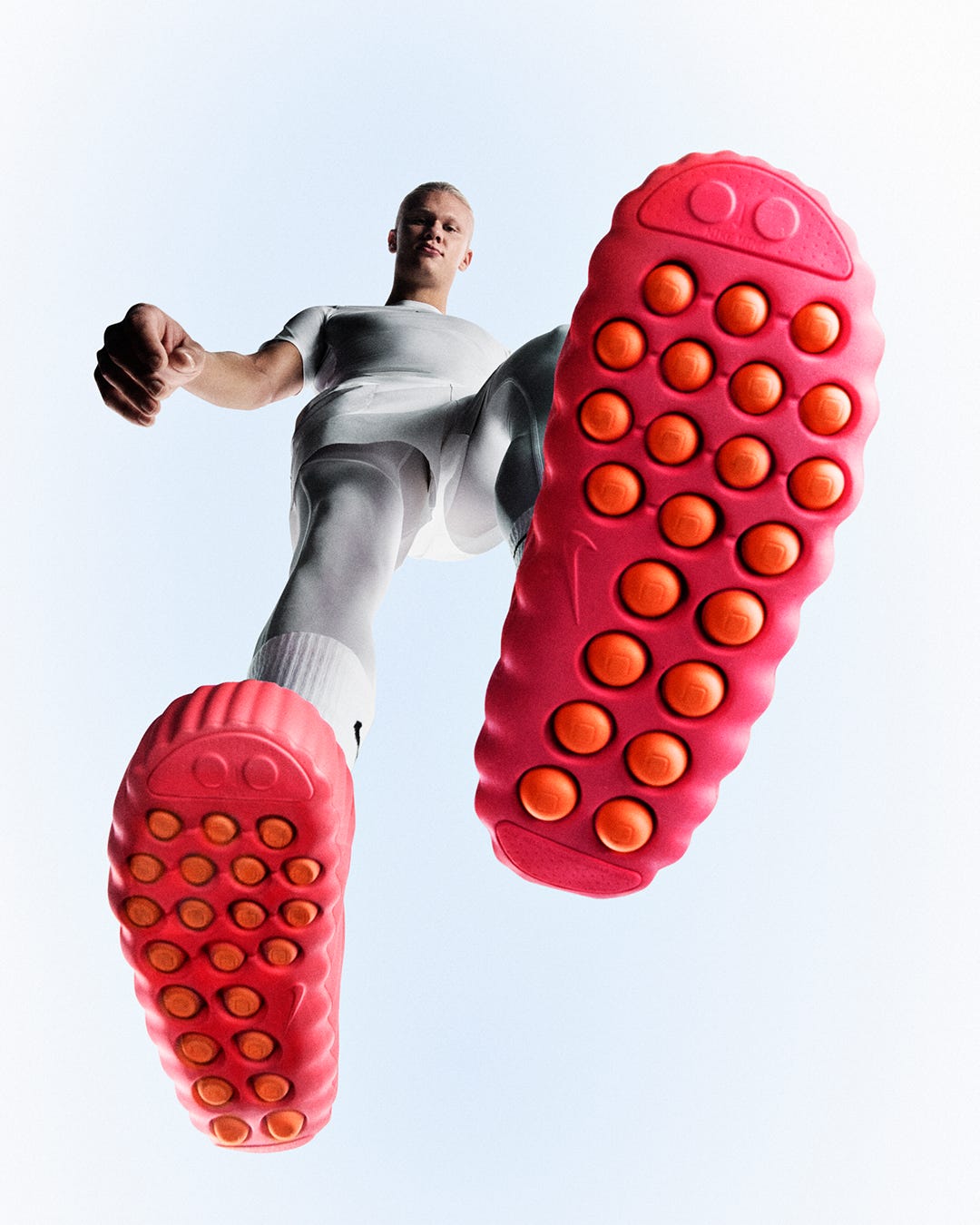
The power of non-utility.
Nike Mind is not multifunctional. It does not claim versatility. It does not promise productivity. It does not turn you into anything.
That is its strength.
High-status objects tend to live at the edges. Either extreme utility or deliberate uselessness. The middle is where mass products sit.
Nike Mind leans toward controlled but intentional ‘uselessness’.
You cannot justify it through performance metrics. You justify it through self-perception.
That is how cultural capital works.
Comparing to adjacent wellness objects.
To understand the reframing, it helps to place it next to other wellness objects that operate on different logics.
Oura quantifies the body. It turns sleep, readiness, and recovery into data. Its value comes from visibility through numbers. You wake up and see a score.
Nike Mind removes measurement entirely. There is no feedback loop, no dashboard, no optimisation prompt. It communicates wellness without surveillance. This is no Nike Fuelband. There is no points scoring here.
Oura says: here is how you are doing.
Nike Mind says: how are you doing?
Conversely, Hoka recovery slides are functional tools. They exist to reduce foot fatigue after exertion. Their legitimacy comes from biomechanics and sports science. They look like recovery equipment.
Nike Mind does not look corrective. It does not advertise relief. It is not visibly post-workout. It is lifestyle-coded rather than athletic-coded.
Hoka says: you earned this after effort.
Nike Mind says: you didn’t need to earn it.
Muji’s wellness products focus on neutrality and removal. Fewer decisions. Less stimulation. Calm through absence.
Nike Mind is not neutral in that way. It is emotionally expressive. It still carries brand symbolism. It still signals taste and self-awareness.
Muji erases identity.
Nike Mind reframes it.
Nike Mind is not anti-branding. It is branding at a lower volume.
This is Nike speaking in a new tone.
Nike Mind is not about just doing anything. To me they are about allowing and being OK and happy doing less.
This is not accidental or lazy. It’s actually very intentional. Brands sell emotional permission as much as products.
Nike Mind gives permission to stop striving without feeling like you failed.
That is a powerful psychological move.
Nike is saying you do not always need to be in motion.
That message alone carries more cultural weight than the shoe itself.
The aesthetics of wellness.
Nike Mind to me reflects a broader shift in how wellness is being designed.
It doesn’t look medical and apologetic. Today it looks sculptural, soft, and intentional. Calm is no longer clinical. It is in itself, aesthetic.
Nike Mind looks closer to a design object than sports equipment. It fits into the home, not just the gym bag. It photographs well. It signals inner work without announcing it.
Mental health has become visible. But subtly.
That subtlety is where taste lives.
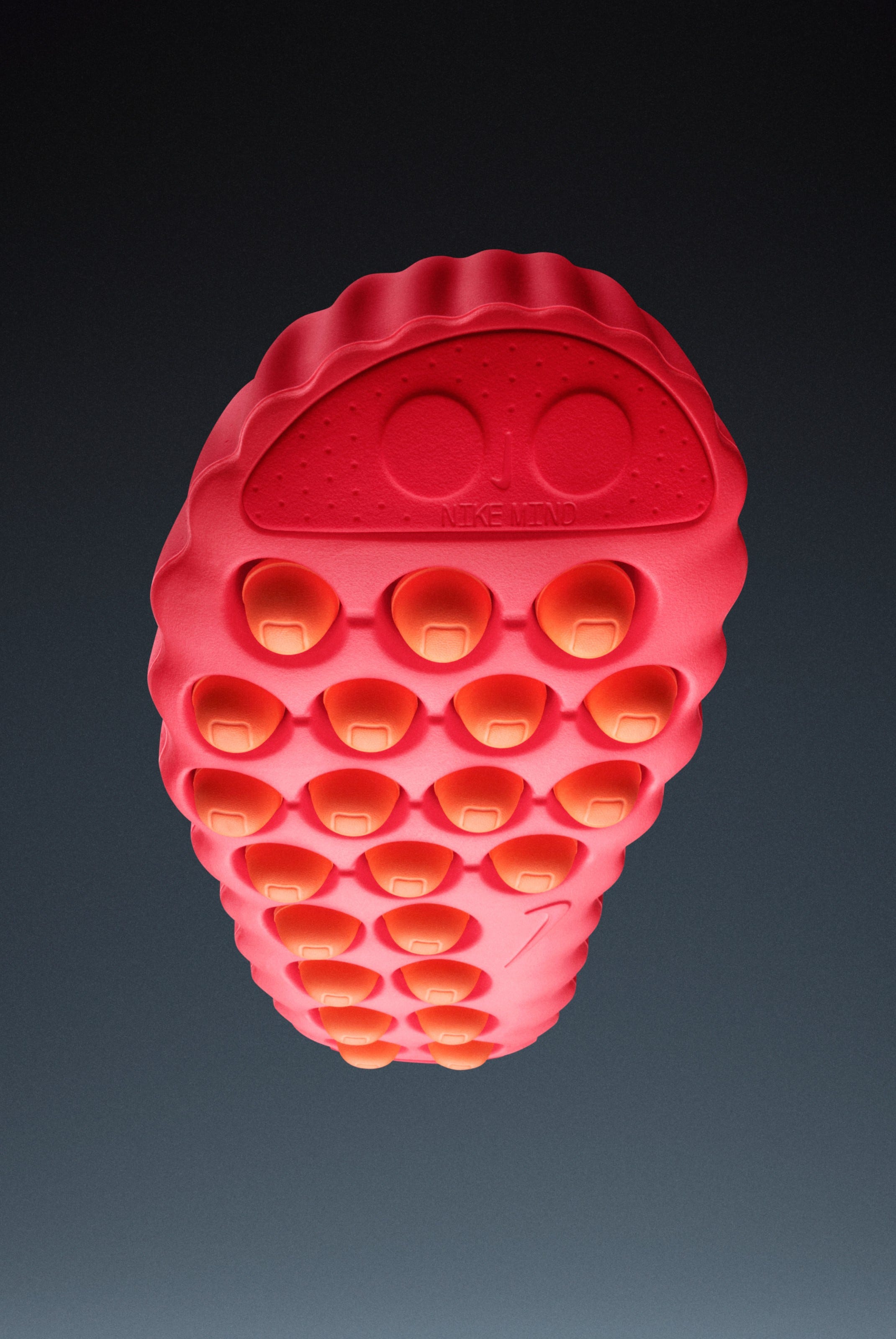
Nike Mind is creating meaning.
Wearing Nike Mind is not about showing what you do. It is about showing what you value.
It implies:
I am past proving myself
I manage my energy
I prioritise internal states
I am deliberate, not frantic
This is not beginner wellness culture. It is post-optimisation culture.
Nike Mind is aspirational, but not loud. That is exactly how high-status objects behave once a cultural shift has already happened.
Why this matters for Nike.
Nike has always been strong at sensing cultural momentum early and then institutionalising it.
Nike Mind suggests Nike understands something critical.
The future of aspiration is not acceleration. It is control.
Control of attention.
Control of emotion.
Control of recovery.
Control of identity.
Performance brands that only speak to output will feel increasingly dated. Nike is ensuring it owns both ends of the human cycle.
Effort and rest. Push and pause.
That is long-term brand intelligence.
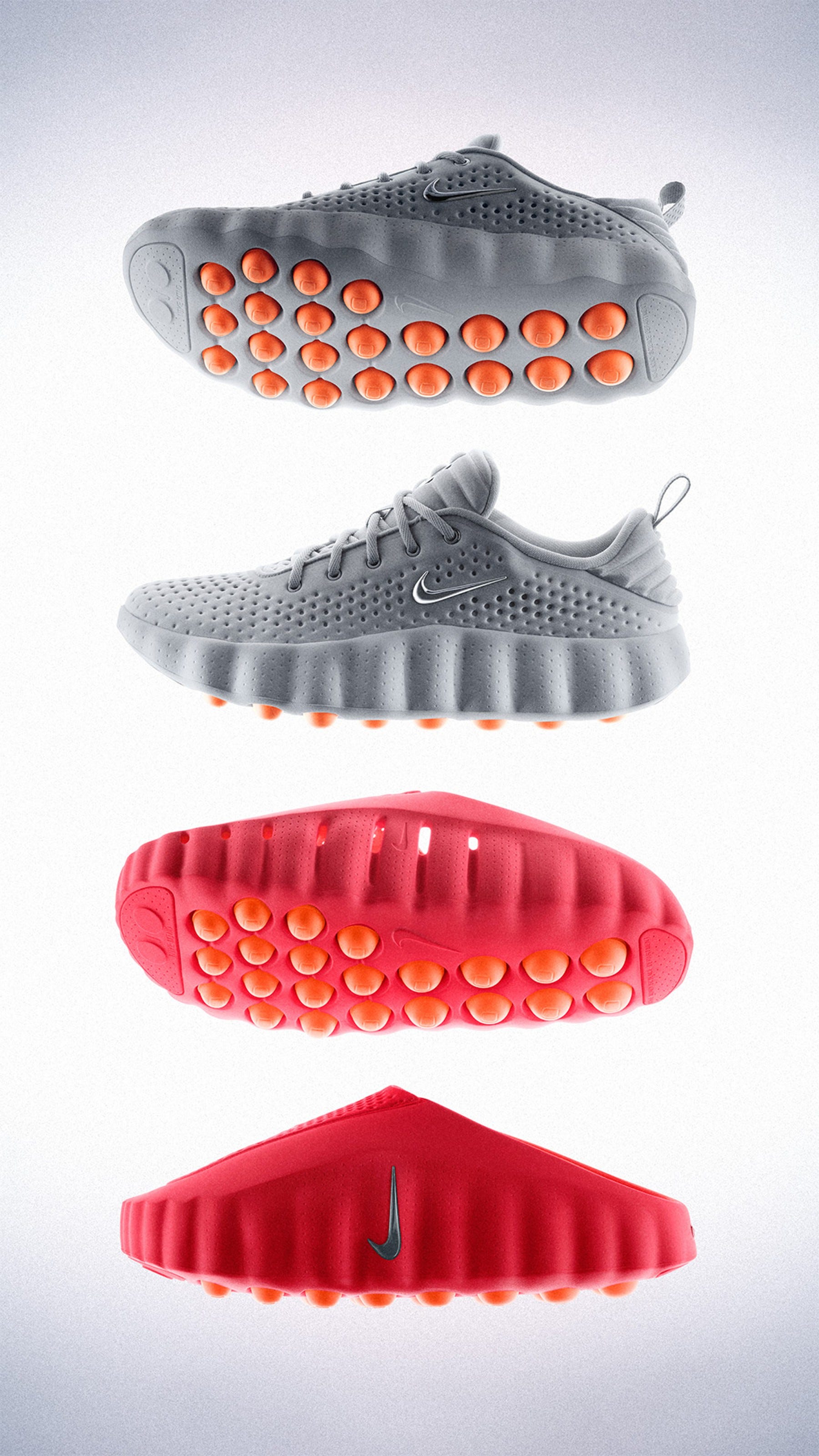
The Cultural Capital View:
Nike Mind turns an invisible internal state into a visible object.
That to me is cultural capital embodied.
It allows people to signal calm, balance, and psychological literacy without explanation. It is not designed to dominate the market. It is designed to anchor meaning.
Nike Mind is an IYKYK flex.